
Almost everything we do feeds kids
The origin of “food banking” as we know it today dates to the late 1960’s in Phoenix, Arizona. In the “old days” (think 1980s and 90s), food banks rarely rescued fresh foods; they were more focused on shelf-stable foods. Once we did start to distribute produce and other fresh foods, it was immediately successful and continued to grow in positive ways very quickly.
Hunger is a threat to the well-being of older adults
The origin of “food banking” as we know it today dates to the late 1960’s in Phoenix, Arizona. In the “old days” (think 1980s and 90s), food banks rarely rescued fresh foods; they were more focused on shelf-stable foods. Once we did start to distribute produce and other fresh foods, it was immediately successful and continued to grow in positive ways very quickly.
The concept of food rescue began with food banks
The origin of “food banking” as we know it today dates to the late 1960’s in Phoenix, Arizona. In the “old days” (think 1980s and 90s), food banks rarely rescued fresh foods; they were more focused on shelf-stable foods. Once we did start to distribute produce and other fresh foods, it was immediately successful and continued to grow in positive ways very quickly.
How stigma gets in the way of good health
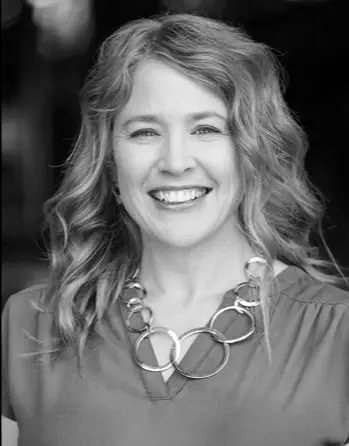
The first time Ronda set foot in the Food Bank, she fought the urge to cry. She was overwhelmed with the feeling that she “didn’t belong” and was taking resources from people who might need the food more. Food Bank staff and volunteers often hear (or see) this concern when working in our no-cost markets. […]
Financial hardship versus poverty and why it matters to us
Not everyone who uses the Food Bank qualifies for government assistance or meets an official definition of “low income.” Food insecurity is a complicated issue, and a symptom of many broader ranging problems, like systemic poverty and high living costs. To help ensure all people have access to nutrition, food banks remain critical to addressing […]
The difference between hunger and food insecurity
We use the term “food insecurity” on purpose. It is different from “hunger.” What is hunger?Hunger is an individual-level physiological condition that may result from food insecurity. It is a physical feeling of discomfort or weakness that results from not consuming enough food. Hunger can become chronic if a person doesn’t regularly consume enough calories […]
What stirs up the urge to give?
In the United States, most charitable giving happens between Thanksgiving Day and the new year. For most people, December is associated with a notable increase in the probability of donating, which is known as the “December effect.” Here at the Food Bank for Larimer County, 35-40% of our fundraising revenue pours in from November 1 to […]
How FBLC addresses food disparities among Latino populations
National Hispanic Heritage Month is September 15 – October 15; it is a time to celebrate the histories, cultures and contributions of Americans whose ancestors came from Spain, Mexico, the Caribbean, and Central and South America. The day of September 15 is significant because it is the anniversary of independence for several Latin American countries. […]
Some Basics on Leaving Money to Charity in Your Will
There are many reasons we give money to charity. Honoring a loved one, advancing a worthy cause, and a genuine interest in helping others are a few of the motivations that help make the world a better place. Charitable giving, however, can also come with tax benefits and leaving money to a charity in your […]
Anyone can Advocate for Food Security
Advocacy is the public support for or recommendation of a cause or policy, and it can take many forms. Hunger is a community issue. The hard news is that millions of Americans are hungry because of circumstances that—at least in part—are a result of policy. The good news is that if communities and governments can […]