
The community that we serve is the center of everything we do. When it comes to making decisions that can grow or improve our services, listening sessions are a critical part of creating positive change.
The Food Bank in February asked the community to share their lived experience using SNAP. While we don’t administer benefits, our SNAP Outreach helps more than a thousand people apply for SNAP every year.
These listening sessions couldn’t have been more timely. They followed on the heels of the longest government shutdown in history, which delayed federal nutrition payments, and the passage of last summer’s Budget Reconciliation Bill which has created ongoing changes to SNAP and Medicaid regulations.
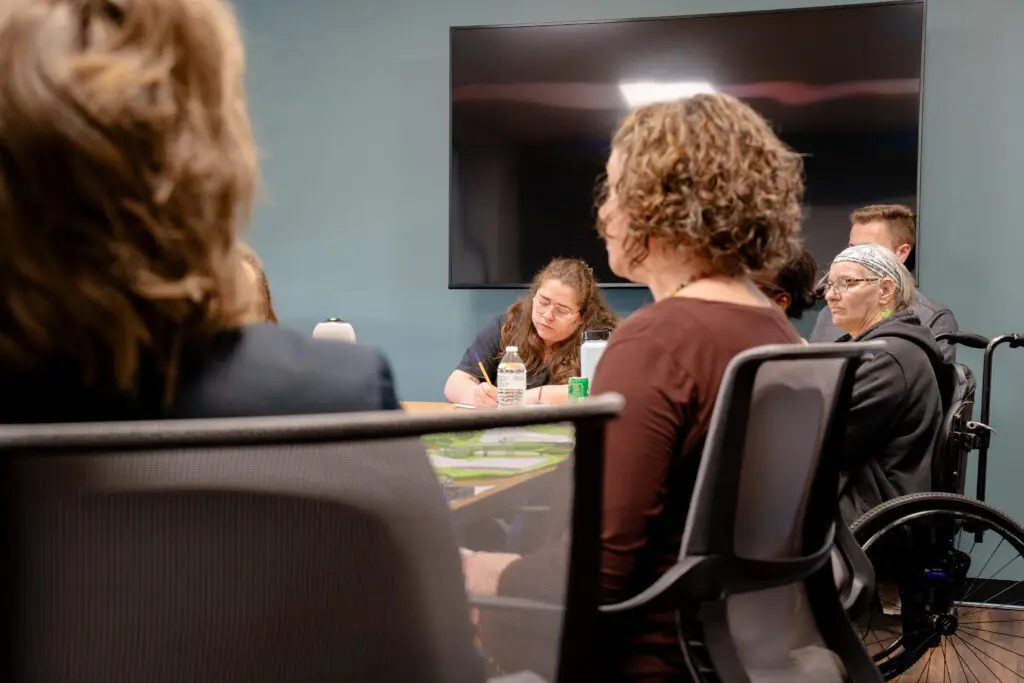
We connected with 40 people across four listening sessions — two in English and two in Spanish. Throughout the listening sessions we gained valuable insight into SNAP. We heard from working parents, and older adults on fixed income, as well as people who have experienced homelessness on how SNAP has been valuable. Overwhelmingly, what we also heard was how the Food Bank is critical to helping stretch those dollars. Or, in some cases, becoming the sole resource when people can no longer rely on federal nutrition programs.
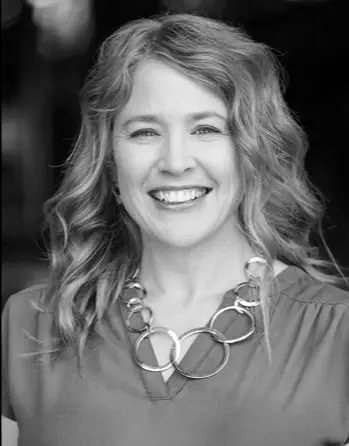
Among the valuable stories, single mom, Camille, told us about how she works nights as a caretaker for seniors, and balances her days around getting food from the Food Bank and picking up her daughter from school.
Camille used to receive SNAP benefits but is no longer qualified due to her income. When asked what SNAP benefits meant for her, the young mom’s eyes filled with tears. She described the relief in knowing she could go to the grocery store and get what her and her daughter needed to eat.
Stories like Camille’s underscore SNAP’s value. Another important part of these listening sessions is being able to take what we hear and share the information with stakeholders, including donors and volunteers, as well as state and federal leaders. This information is key to helping people grasp what’s at stake when federal nutrition is jeopardized. What we gain from these listening sessions is also an understanding of how we can grow and adapt our services to better serve our community.
You can see the results of these discussions in action every day. For example, it was a series of listening sessions in 2024 that inspired the Food Bank to create accessible hours that would designate time and space for older adults and those with disabilities to do their shopping.
Since implementing that change a little over a year ago, clients have shared words of gratitude for how this change has allowed them to more easily access food.
While designing our frozen meals vending machine, we also hosted a series of focus groups to get feedback on meals so that we could create a menu that was equally nutritious and delicious. These groups tested not only the meals, but also provided valuable feedback on every element of this project, right down to how easy the packaging was to use.
We conduct a few listening sessions every year to get feedback on all of our programs. We value our clients’ time and as a way to show appreciation for their participation, we financially compensate them for their participation.
It is incredibly rewarding to see our community take part in these discussions. Their voices are a critical piece of what leads to positive change to better adapt and fight hunger so that we can always be striving for new and better ways to nourish our community.